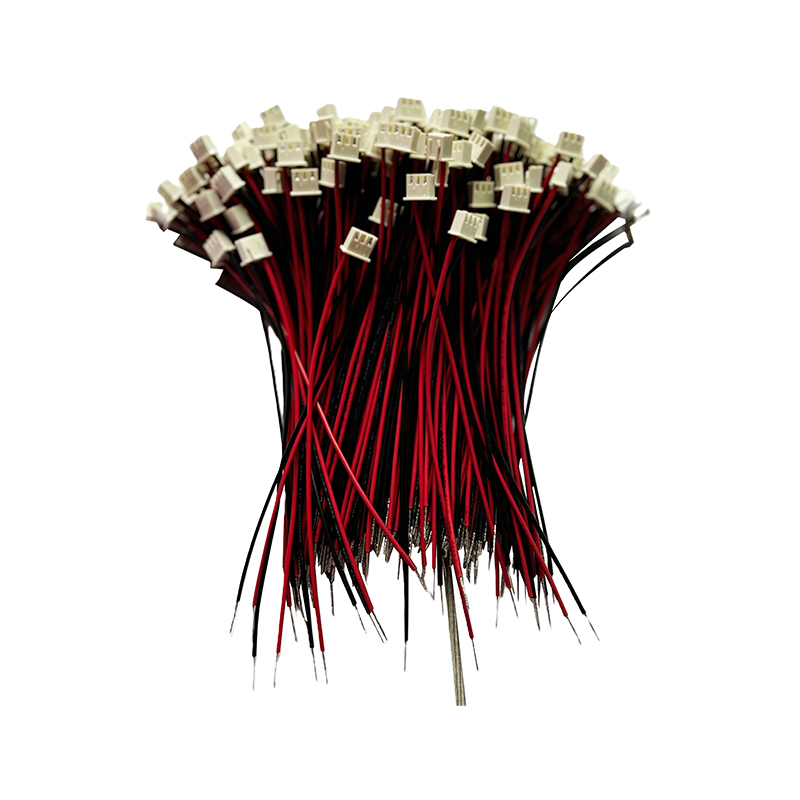

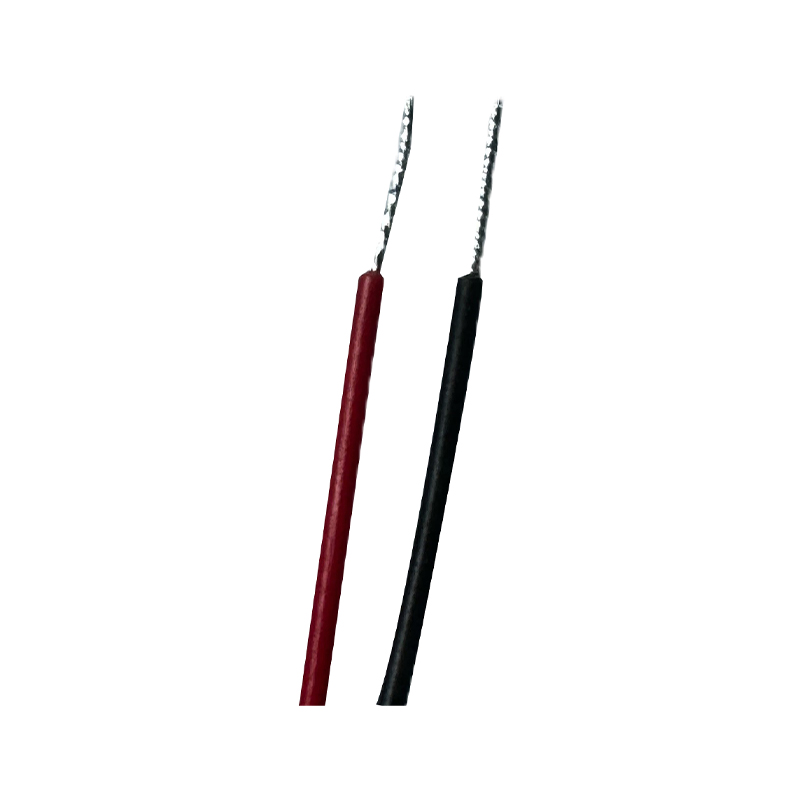
When the pulling speed is too fast, the tensile force on the PVC wire increases during the shaping process, causing the wire diameter to be excessively thinned.
In various electrical connection systems, PVC wire is widely used in applications such as home appliances, lighting equipment, industrial control, and power installations due to its excellent insulation properties, flexibility, and ease of processing.
In modern home electrical systems, wires run like blood vessels through walls, ceilings, and electrical appliances, carrying the power needs of daily life.
PVC wire's excellent bending properties at low temperatures are the result of a combination of factors: a cold-resistant PVC material formula, the use of a high-efficiency plasticizer.
In the complex web of modern electrical systems and electronic devices, connecting wires function like silent neural networks, carrying the heavy responsibility of transmitting energy and signals.
PVC material with better high-frequency characteristics is selected as the insulation layer to reduce dielectric loss and improve the stability of the material in high-frequency environments, thereby reducing signal attenuation.